
AI Blog Content: How to Spot and Avoid the Most Common Pitfalls
The use of artificial intelligence in content creation is rapidly expanding. A recent study by HubSpot found that 71% of marketers are already using AI to some extent in their content strategy. While AI tools promise efficiency and SEO benefits, their uncritical adoption can lead to significant problems. This article will guide you through these pitfalls, offering practical solutions to ensure your AI-assisted blog content is engaging, original, and accurate.

AI tools, like this robot, can assist in content creation, but human oversight is crucial to ensure originality and accuracy.
The Echo Chamber: Lack of Originality and Creativity
One of the most significant dangers of relying solely on AI for content creation is the potential for generating generic and uninspired content. AI models are trained on vast datasets, which can lead to regurgitation of existing ideas and a lack of fresh perspectives.
The Problem Explained:
AI can produce content that lacks a unique voice or perspective, often relying on common phrases and clichés. Over-reliance on AI for idea generation can stifle creativity and prevent the exploration of novel topics. AI might generate repetitive phrases or address the same topics in a similar manner, leading to reader fatigue. As one Reddit user put it, it's easy to fall into the trap of creating content that sounds like it was written by "it's not just a hotel - it's an experience, evoking feelings of...", resulting in generic and uninspired content.
The Solutions:
Human oversight is crucial. Brainstorm and outline topics before using AI to ensure the content aligns with your brand's voice and addresses specific audience needs. Treat AI as a tool for initial drafts or research, not the final product.
Inject personal experiences and unique perspectives. Add personal anecdotes and stories to make the content relatable and engaging. Share your own opinions and perspectives on the topic, adding a layer of depth and originality.
Use AI for research and inspiration. Leverage AI to find relevant data, statistics, and sources to support your arguments. Use AI to explore different perspectives on a topic, helping you identify unique angles and approaches.
The Unfeeling Machine: Robotic Tone and Emotional Disconnect
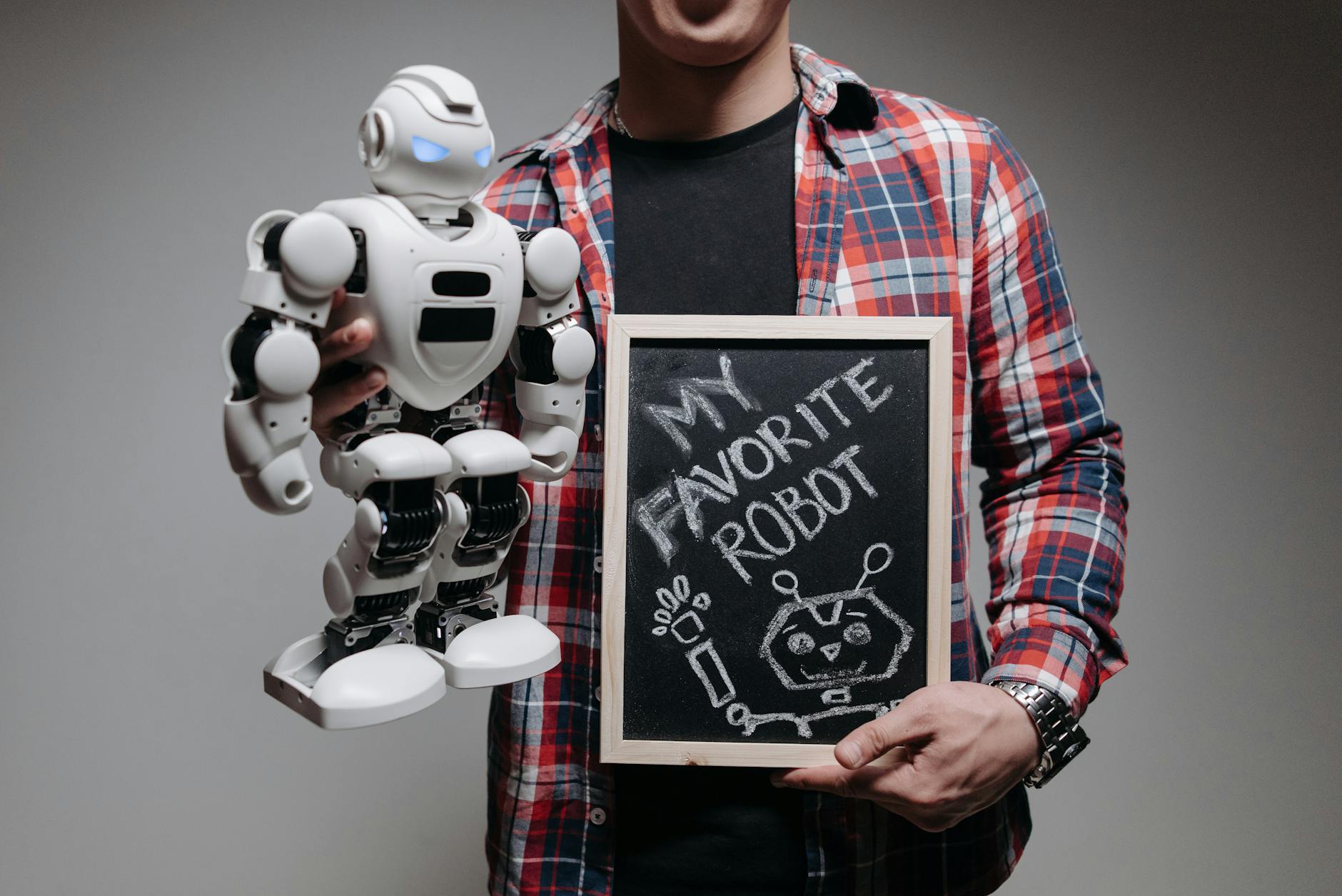
The challenge is to maintain human creativity while using AI to enhance content creation.
The Problem Explained:
Another common issue with AI-generated content is its tendency to sound robotic and impersonal. While AI can string words together grammatically correctly, it often struggles to capture the nuances of human language and emotion.
AI can produce content that sounds unnatural and lacks the flow of human conversation. AI struggles to connect with readers on an emotional level, making it difficult to build rapport and trust. AI-generated content can feel impersonal and detached, failing to resonate with the reader's feelings and experiences.
The Solutions:
Humanize the language. Use contractions (e.g., "can't" instead of "cannot"), write in the first person ("I" or "we"), and ask questions directly to the reader. Incorporate humor, wit, and personal anecdotes to make the content more engaging and relatable.
Add emotional intelligence. Identify and address the reader's emotions, showing empathy and understanding. Use language that demonstrates empathy and understanding of the reader's challenges and concerns. As one Reddit user pointed out, writing is not just about beautiful flowery words, it’s about lived experience, something AI can't replicate.
Edit for tone and voice. Read the content aloud to identify unnatural phrasing and awkward sentences. Rewrite sections to better reflect the desired tone and voice, ensuring it aligns with your brand's personality.
The Fact-Checking Fiasco: Factual Inaccuracies and Misinformation
Perhaps the most critical pitfall of AI-generated content is the potential for factual inaccuracies and misinformation. AI models are trained on vast datasets, but they don't inherently "understand" the information they process.
The Problem Explained:
AI can generate incorrect or outdated information, leading to a loss of credibility. AI doesn't "understand" the information it processes, making it prone to errors and misinterpretations. In some cases, AI can even generate completely fabricated information, which can have serious consequences.
The Solutions:
Fact-checking and verification are paramount. Cross-reference all information with reliable sources to ensure accuracy. Utilize fact-checking tools and resources to verify the accuracy of AI-generated content.
Provide context and disclaimers. Clearly state the sources of information to provide context and transparency. Acknowledge any limitations or uncertainties in the information presented.
Stay updated. Regularly review and update AI-generated content to ensure it remains accurate and relevant. Monitor for new information and developments in the field to keep your content up-to-date.
The SEO Trap: Prioritizing Optimization Over Substance
While AI can be a powerful tool for SEO optimization, it's crucial to avoid the trap of prioritizing search engine rankings over providing genuine value to readers.
The Problem Explained:
AI can over-optimize content with keywords, resulting in unnatural phrasing and a poor reading experience. Over-optimized content often lacks substance and fails to provide genuine value to the reader. Readers are quick to recognize and reject content that is solely designed to rank high in search results.
The Solutions:
Focus on reader value. Create content that is informative, engaging, and useful to your target audience. Address the reader's needs and interests, providing solutions to their problems and answering their questions.

A content creator thoughtfully reviews AI-generated content, ensuring reader value remains the top priority and SEO optimization enhances, not overshadows, the blog's core message.
Natural keyword integration is key. Instead of repeating a keyword like "best coffee beans" multiple times in a sentence, try variations like "top-rated coffee beans" or "high-quality coffee beans." Use keywords strategically and organically, incorporating them into the content in a way that feels natural and relevant.
Build authority and trust. Provide expert insights and opinions to establish your authority on the topic. Cite credible sources and data to support your arguments and build trust with your audience.
The Plagiarism Peril: Navigating Copyright Issues
AI models are trained on vast datasets of existing content, which raises the risk of inadvertently generating content that infringes on copyright.
The Problem Explained:
AI can inadvertently generate content that infringes on copyright, leading to legal issues. Plagiarism is unethical and can damage your brand's reputation. AI may produce content that is unintentionally similar to existing sources, even if it's not a direct copy.
The Solutions:
Use plagiarism detection tools. Scan AI-generated content for similarities to existing sources using plagiarism detection tools. Identify and address any potential plagiarism issues before publishing the content.
Paraphrase and rewrite. Reword AI-generated content to make it original and avoid any potential copyright issues. Add unique insights and perspectives to further differentiate the content from existing sources.
Cite sources properly. Give credit to the original authors and creators by citing sources properly. Follow proper citation guidelines to avoid any potential plagiarism issues.
Best Practices for Using AI in Blog Content Creation
To effectively leverage AI in blog content creation, remember these best practices:
Emphasize that AI is a tool to enhance, not replace, human creativity. Develop a clear content strategy and editorial process to guide the use of AI. Train and educate your team on how to effectively use AI tools and avoid common pitfalls. Continuously monitor and evaluate the performance of AI-generated content to identify areas for improvement. As one Reddit user aptly stated, "AI is only as good as the one using it."
Conclusion
AI offers tremendous potential for streamlining blog content creation. By understanding and addressing issues like originality, tone, accuracy, SEO, and plagiarism, you can harness the power of AI to create high-quality, engaging content. Remember, AI is a tool to enhance, not replace, human creativity and critical thinking.

AI and human collaboration: A powerful partnership for creating quality blog content.