
AI vs. Human SEO: Can a Hybrid Approach Deliver the Best Results?
📅
The world of content creation is in constant flux, and one thing is clear: Artificial Intelligence (AI) is no longer a futuristic fantasy; it's a present-day reality. Consider this: a recent study found that AI-generated content now accounts for nearly 30% of all online content, a figure that's expected to double in the next two years. This signals a significant shift in how businesses approach SEO. But does this mean the end of human writers? Absolutely not.
Search Engine Optimization (SEO) remains the cornerstone of digital marketing, driving organic traffic and boosting online visibility. The pertinent question isn't whether AI will replace human writers, but rather how we can leverage AI's power to enhance human capabilities. A hybrid approach, strategically blending AI efficiency with human creativity and expertise, offers the most promising path to SEO success and genuine audience engagement.
AI has undeniably revolutionized many aspects of content creation, offering speed, efficiency, and data-driven insights that were previously unattainable. Let's explore the advantages and limitations of AI in SEO content creation.
AI tools can generate vast amounts of content quickly. This is particularly useful for creating product descriptions, social media posts, or initial drafts of blog articles. AI can rapidly populate a website with content, addressing immediate needs and freeing up human writers for more complex and strategic tasks.
AI excels at identifying and incorporating relevant keywords. These tools can analyze search trends, identify high-volume keywords, and seamlessly integrate them into content, increasing its chances of ranking higher in search results. This data-driven approach to keyword optimization can significantly improve a content's visibility.
AI can analyze massive datasets to identify content gaps, emerging trends, and competitor strategies. This information can be used to inform content strategy, identify topics that resonate with the target audience, and optimize existing content for better performance. This allows for a more proactive and informed content creation process.
 Despite its advantages, AI is not without its limitations. Over-reliance on AI-generated content can lead to several pitfalls.
AI-generated content often lacks the spark of human creativity. It can sound generic, repetitive, and devoid of personality. While AI can mimic writing styles, it struggles to capture nuanced tones, perspectives, and the emotional depth that resonates with readers. As one digital marketer put it, it can feel like we're all
Despite its advantages, AI is not without its limitations. Over-reliance on AI-generated content can lead to several pitfalls.
AI-generated content often lacks the spark of human creativity. It can sound generic, repetitive, and devoid of personality. While AI can mimic writing styles, it struggles to capture nuanced tones, perspectives, and the emotional depth that resonates with readers. As one digital marketer put it, it can feel like we're all
 Human writers can anticipate and address the specific needs and questions of their target audience. They can empathize with their readers, understand their pain points, and create content that provides genuine value. This understanding is essential for building trust and fostering long-term relationships. By understanding the "why" behind a search query, human writers can create content that truly satisfies user intent.
Human writers can establish credibility through expertise, personal experience, and original research. Thought leadership and insightful commentary can position them as trusted authorities in their field, attracting a loyal following and boosting SEO. This authority is built on a foundation of knowledge and experience that AI cannot replicate.
Human writers can adapt to changing trends, algorithm updates, and evolving audience preferences. They can critically evaluate information, identify biases, and refine SEO strategies based on performance data and feedback. This adaptability is crucial in the ever-changing landscape of SEO.
The key to unlocking the full potential of SEO content lies in a hybrid approach that combines the efficiency of AI with the creativity and expertise of human writers.
It's important to determine when to leverage AI for efficiency and when to rely on human creativity. AI is well-suited for tasks like keyword research, data analysis, and generating initial drafts. Human writers excel at crafting compelling narratives, understanding audience intent, and building trust and authority. A clear understanding of each tool's strengths allows for optimal resource allocation.
Use AI as a tool to enhance human capabilities, not replace them. AI can assist with research, keyword analysis, and content ideation, helping writers overcome writer's block and improve productivity. Think of AI as a powerful assistant that frees up human writers to focus on higher-level tasks.
Human editors play a crucial role in reviewing and refining AI-generated content. They ensure accuracy, clarity, originality, and that the content aligns with the brand's voice and values. As one user on a copywriting forum noted, AI is great for catching errors and giving first draft ideas, but it is straight up wild how many people
Human writers can anticipate and address the specific needs and questions of their target audience. They can empathize with their readers, understand their pain points, and create content that provides genuine value. This understanding is essential for building trust and fostering long-term relationships. By understanding the "why" behind a search query, human writers can create content that truly satisfies user intent.
Human writers can establish credibility through expertise, personal experience, and original research. Thought leadership and insightful commentary can position them as trusted authorities in their field, attracting a loyal following and boosting SEO. This authority is built on a foundation of knowledge and experience that AI cannot replicate.
Human writers can adapt to changing trends, algorithm updates, and evolving audience preferences. They can critically evaluate information, identify biases, and refine SEO strategies based on performance data and feedback. This adaptability is crucial in the ever-changing landscape of SEO.
The key to unlocking the full potential of SEO content lies in a hybrid approach that combines the efficiency of AI with the creativity and expertise of human writers.
It's important to determine when to leverage AI for efficiency and when to rely on human creativity. AI is well-suited for tasks like keyword research, data analysis, and generating initial drafts. Human writers excel at crafting compelling narratives, understanding audience intent, and building trust and authority. A clear understanding of each tool's strengths allows for optimal resource allocation.
Use AI as a tool to enhance human capabilities, not replace them. AI can assist with research, keyword analysis, and content ideation, helping writers overcome writer's block and improve productivity. Think of AI as a powerful assistant that frees up human writers to focus on higher-level tasks.
Human editors play a crucial role in reviewing and refining AI-generated content. They ensure accuracy, clarity, originality, and that the content aligns with the brand's voice and values. As one user on a copywriting forum noted, AI is great for catching errors and giving first draft ideas, but it is straight up wild how many people
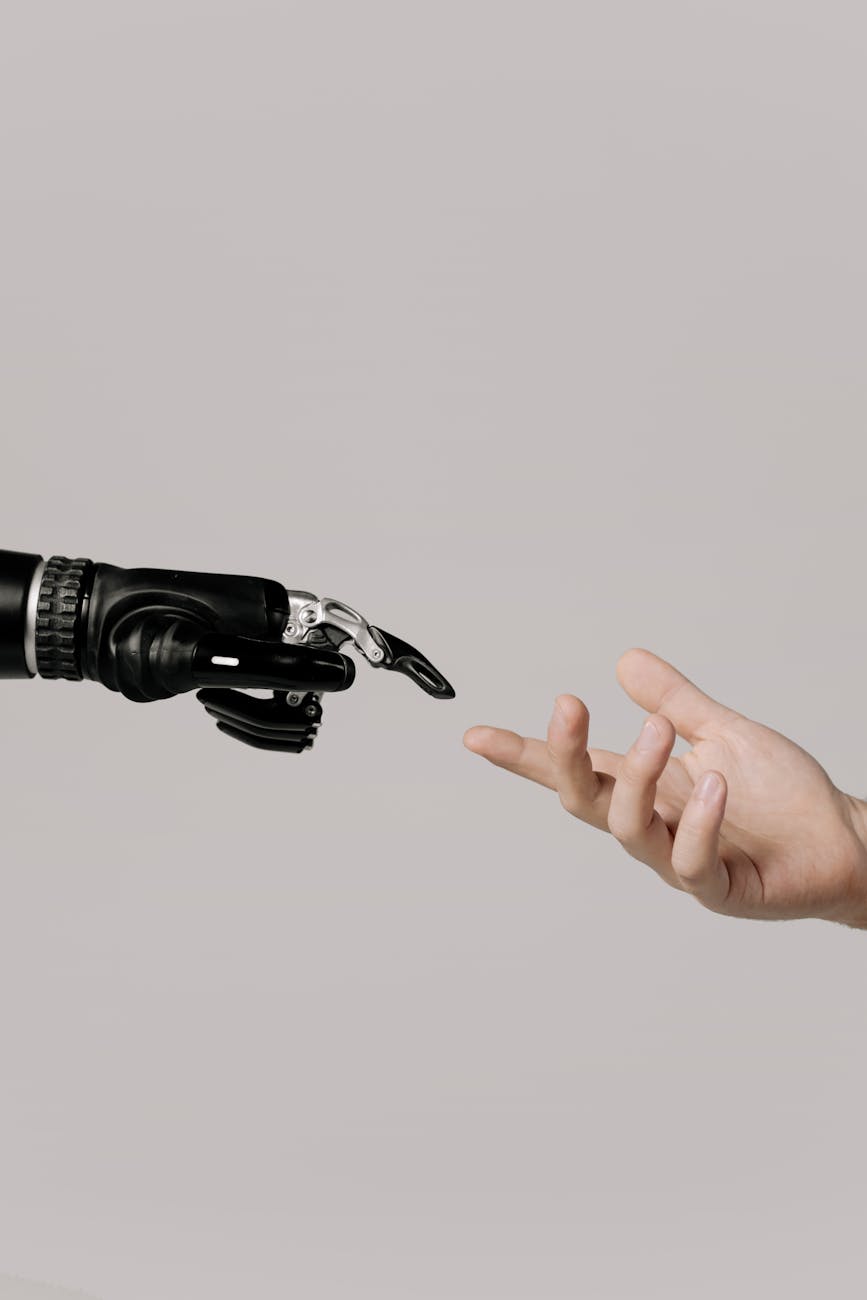 Instead of simply relying on AI for keyword suggestions, use it to analyze competitor content and identify keyword gaps. Then, have a human writer craft content that fills those gaps with unique insights and a compelling narrative. This goes beyond basic keyword stuffing and creates truly valuable content.
Don't just use AI to generate initial drafts. Use it to analyze the performance of existing content and identify areas for improvement. Then, have a human writer rewrite and optimize the content based on those insights. This iterative approach can significantly improve the performance of your existing content.
Instead of relying solely on AI to generate social media posts, use it to analyze trending topics and identify opportunities for engagement. Then, have a human writer craft witty and engaging posts that resonate with your target audience. This ensures that your social media presence is both relevant and engaging.
Equip human writers with the skills to use AI tools effectively. Provide training and resources to help them leverage AI for research, content generation, and optimization. Educate AI on brand voice and content guidelines to ensure consistency and quality. This ensures that AI-generated content aligns with the brand's overall messaging.
Define roles and responsibilities for AI and human team members. Create a streamlined process for content creation, review, and optimization. A well-defined workflow ensures efficiency and accountability.
Track key metrics to measure the success of the hybrid approach. Monitor organic traffic, engagement rates, and conversion rates to assess the impact of AI-assisted content. Continuously refine the strategy based on performance data and feedback. Data-driven insights are crucial for optimizing the hybrid approach.
Evaluate different AI writing tools and SEO platforms. Select tools that align with your specific needs and budget. Some users have found success with tools like
Instead of simply relying on AI for keyword suggestions, use it to analyze competitor content and identify keyword gaps. Then, have a human writer craft content that fills those gaps with unique insights and a compelling narrative. This goes beyond basic keyword stuffing and creates truly valuable content.
Don't just use AI to generate initial drafts. Use it to analyze the performance of existing content and identify areas for improvement. Then, have a human writer rewrite and optimize the content based on those insights. This iterative approach can significantly improve the performance of your existing content.
Instead of relying solely on AI to generate social media posts, use it to analyze trending topics and identify opportunities for engagement. Then, have a human writer craft witty and engaging posts that resonate with your target audience. This ensures that your social media presence is both relevant and engaging.
Equip human writers with the skills to use AI tools effectively. Provide training and resources to help them leverage AI for research, content generation, and optimization. Educate AI on brand voice and content guidelines to ensure consistency and quality. This ensures that AI-generated content aligns with the brand's overall messaging.
Define roles and responsibilities for AI and human team members. Create a streamlined process for content creation, review, and optimization. A well-defined workflow ensures efficiency and accountability.
Track key metrics to measure the success of the hybrid approach. Monitor organic traffic, engagement rates, and conversion rates to assess the impact of AI-assisted content. Continuously refine the strategy based on performance data and feedback. Data-driven insights are crucial for optimizing the hybrid approach.
Evaluate different AI writing tools and SEO platforms. Select tools that align with your specific needs and budget. Some users have found success with tools like
Analyzing charts and graphs to gain insights for content strategy.
remixing each other until there’s nothing left to say, highlighting the absence of original thought. This lack of originality can hinder a brand's ability to stand out in a crowded online landscape. AI can struggle with complex topics, industry-specific jargon, and the subtle nuances of language. This can lead to inaccurate, misleading, or even nonsensical content. For instance, imagine asking an AI to write a blog post about "blockchain scalability solutions." It might generate technically accurate information, but fail to recognize the underlying frustration many developers feel about the slow pace of progress in this area, leading to a tone-deaf and ultimately unhelpful article. Or, consider an AI tasked with writing about the latest marketing trends; it might provide information that was accurate last week, but is already outdated due to the rapid pace of change in the industry. This is why human oversight is crucial to ensure accuracy and relevance. Plagiarism and copyright issues are significant concerns with AI-generated content. AI tools are trained on vast datasets of existing content, and there's a risk that they may inadvertently reproduce copyrighted material. Transparency and disclosure are crucial when using AI to avoid ethical breaches and potential legal ramifications. Businesses must implement strict plagiarism checks and fact-checking processes. While AI offers undeniable benefits, human expertise remains indispensable in creating truly effective SEO content. Human writers possess the unique ability to craft engaging narratives, connect with audiences on an emotional level, and tell stories that resonate. This is crucial for creating content that not only ranks well but also captivates readers and keeps them coming back for more. As one Reddit user aptly stated, writing is not just about beautiful flowery words,
it’s about lived experience, something AI can't replicate. This human element is what transforms content from informative to truly memorable.
Creativity requires a blend of human imagination and technological innovation.
copy and paste the AI slop directly into the finished result. This editorial oversight is essential to maintaining quality and brand consistency. Companies that have effectively combined AI and human expertise have seen significant improvements in SEO performance and audience engagement. For example, a company might use AI to generate a list of potential blog topics based on keyword research, then task human writers with crafting engaging and informative articles on those topics. This collaborative approach leverages the strengths of both AI and human writers.
The synergy of human touch and AI precision: A hybrid approach to content creation.
Workbeaver AIfor automating tasks or
Relumefor design systems, while others prefer more well-known options like
ChatGPTor
Claude. Experimentation is key to finding the right tools for your specific needs. The future of SEO content creation lies in the continued collaboration between AI and human writers. As AI technology advances, we can expect to see even more sophisticated tools that can assist with various aspects of content creation. Explore new ways AI and humans can collaborate to create even more effective content. This might include AI-powered tools that can analyze audience sentiment, personalize content in real-time, or generate interactive content experiences. The possibilities are vast and constantly evolving. SEO professionals must stay up-to-date on the latest trends and technologies. Continuous learning is essential in the rapidly evolving field of AI and SEO. Encourage experimentation and innovation in the field of SEO. Address potential ethical challenges related to AI-generated content. Promote responsible and transparent use of AI in SEO. This includes addressing issues such as plagiarism, bias, and misinformation. The debate between AI-generated and human-crafted SEO content is not an either/or proposition. The most effective approach is a hybrid one that leverages the strengths of both. By combining AI's efficiency with human creativity and expertise, businesses can create SEO content that not only ranks well but also engages audiences, builds trust, and drives meaningful results. As one SEO professional with 16 years of experience wisely stated,
the edge comes from knowing what to write, not just how to write. The future of SEO is not about replacing human writers with AI, but about empowering them with AI tools to create even better content. By embracing this collaborative approach, businesses can unlock new levels of SEO success and build stronger relationships with their audiences. Start experimenting with a hybrid approach today and discover the power of AI-human collaboration in your content strategy. The future of SEO is here, and it's a partnership.